
What Drives Property Prices in Christchurch - A Clear Breakdown
Property prices are determined by the balance between supply and demand. Understanding what shapes that balance in Christchurch requires looking at both national forces and those specific to the city's history, geography, and economy.
Interest Rates and Borrowing Capacity
The most powerful short-term force in any property market. When mortgage rates fall, borrowing capacity increases and more buyers can afford more property, pushing prices up. The 2021-2022 Christchurch peak was driven partly by historically low rates. The subsequent correction reflected higher borrowing costs reducing buyer capacity and confidence. In 2026, with the OCR at 2.25% and 1-year mortgage rates available around 4.59%, borrowing conditions are supportive. Canterbury's 2.8% HPI growth reflects this directly.
Population Growth
More people needing housing means more demand for both buying and renting. Canterbury was New Zealand's fastest-growing region in the year to June 2025. Christchurch posted the highest net internal migration gain of any New Zealand city. Selwyn District remained the fastest-growing territorial authority in the country. Population growth driven by internal migration - employed people actively choosing Canterbury over other regions - tends to generate sustained property demand rather than speculative activity.
Housing Supply
When supply grows faster than demand, prices moderate. When supply tightens relative to demand, prices rise. Christchurch has an active consenting environment and historically abundant land in Selwyn and outer suburbs, which has kept price growth more restrained than land-constrained cities like Auckland. However, Selwyn District's 2024 Long Term Plan included no new residential land zoning, which will progressively tighten supply in the district's most desirable areas.
School Zones
One of the most underappreciated micro-drivers of Christchurch property values. The Burnside High School zone adds an estimated $50,000 to $80,000 to comparable property values. These zone effects create persistent localised price dynamics that are largely immune to broader market conditions.
Infrastructure Investment
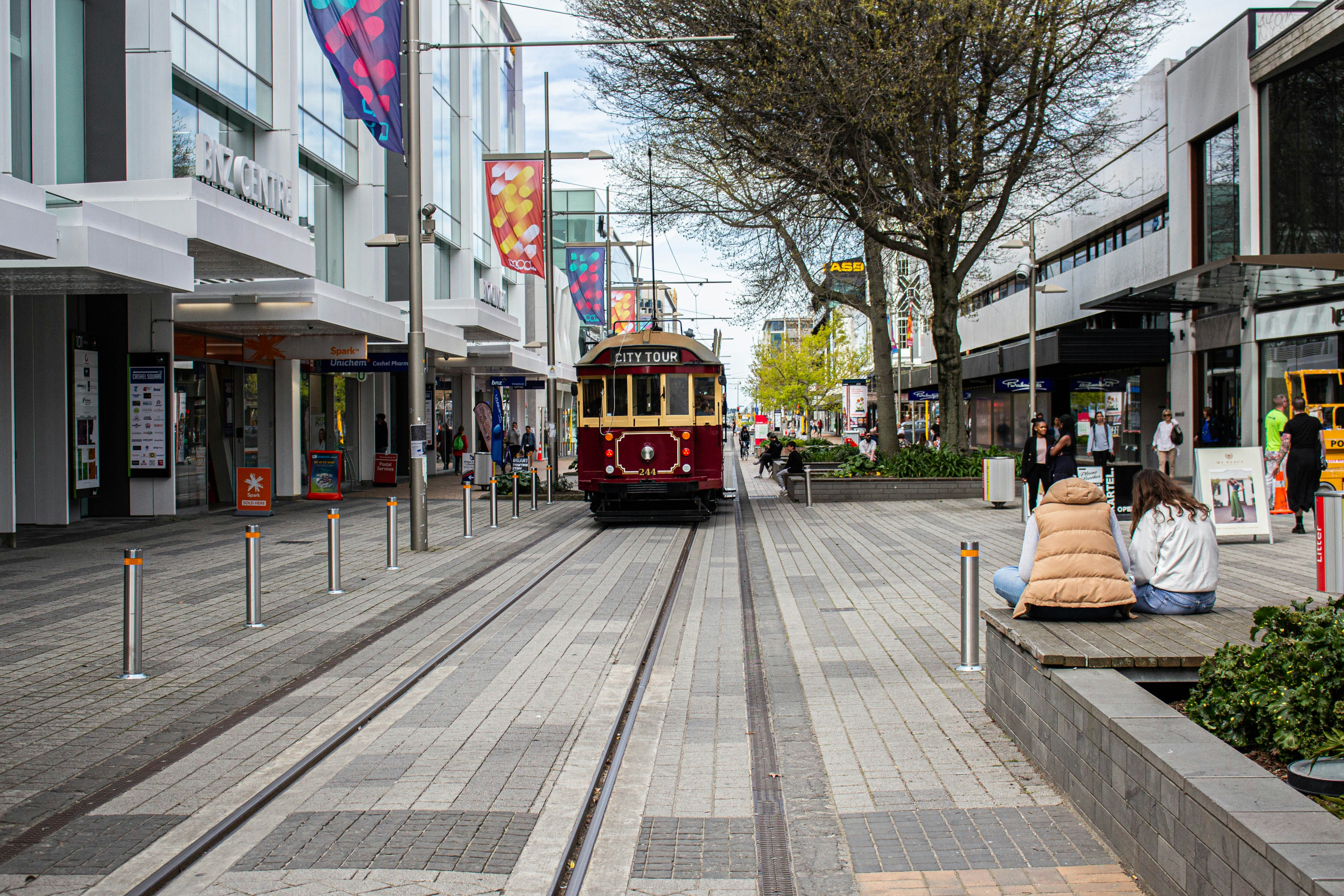
The opening of Te Kaha stadium, Parakiore Recreation and Sport Centre, Te Pae Convention Centre, and the ongoing CBD rebuild have materially improved Christchurch's liveability. Infrastructure investment changes the desirability of surrounding areas and supports long-term demand.
The Earthquake Legacy
The 2010-2011 Canterbury earthquakes remain a background factor. The red-zoning of over 8,000 properties removed a significant portion of housing stock from the market, supporting values over the following decade. The TC land category system continues to influence foundation costs and perceived risk in some parts of the city, creating price differentials between TC1, TC2, and TC3 areas.
Investor Activity
Investors returned to the Christchurch market strongly in 2025-2026. After being largely sidelined by high interest rates and the removal of mortgage interest deductibility under the previous government, the restoration of 100% interest deductibility from April 2025 was the most significant policy change supporting this recovery. Investor lending in Canterbury represented approximately 10% of new loan applications in early 2026, roughly double the figure from early 2025.
Data from REINZ, Stats NZ, RBNZ, Harcourts, and Bamboo Routes. For general information only. Always consult qualified professional advisers before making property decisions.