
Christchurch Property - The Long-Term Case for Canterbury
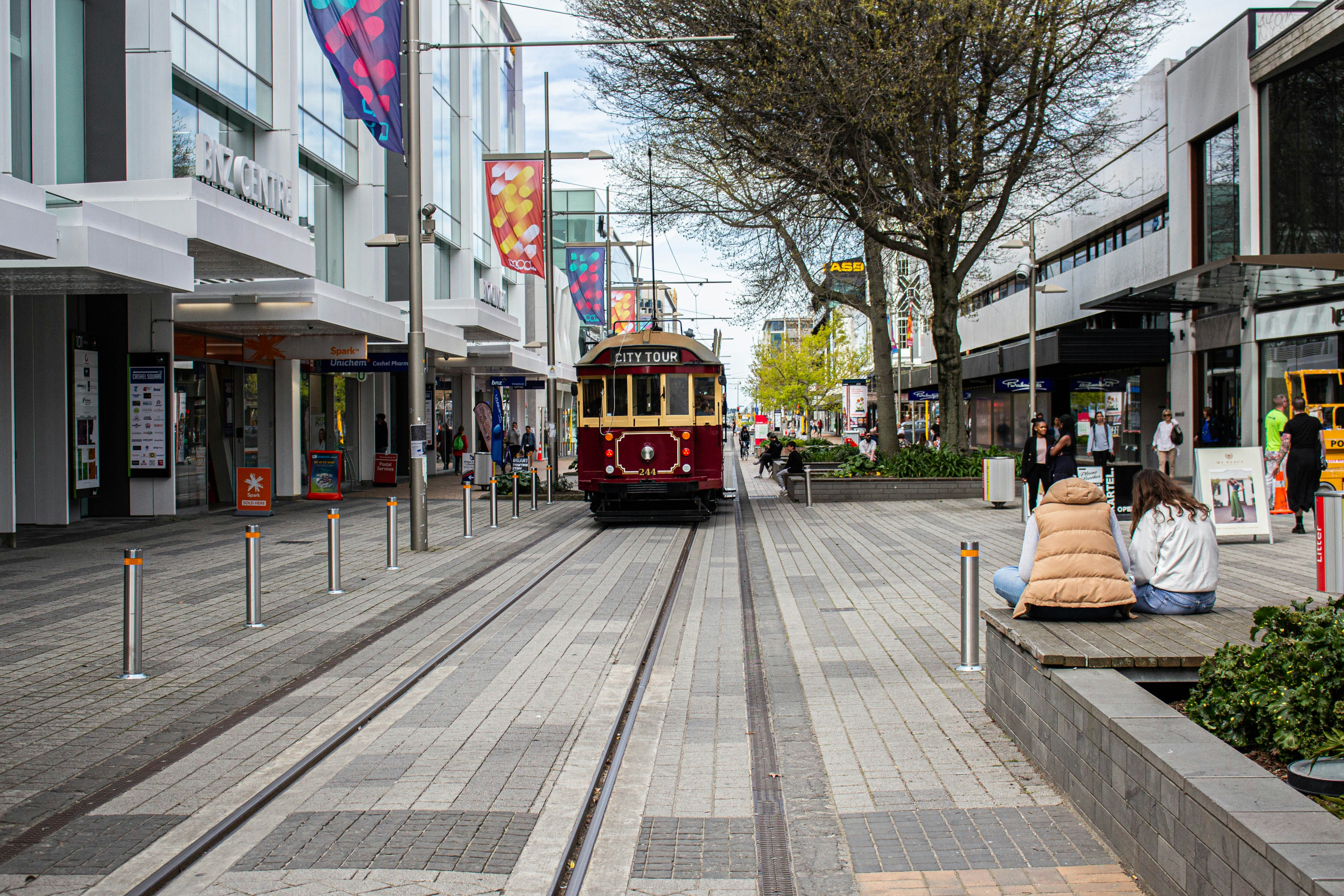
Short-term market conditions - OCR settings, days on market, monthly median prices - change constantly. The long-term fundamentals for Canterbury property are what matter most for buyers and investors who are not trying to time cycles but building wealth over a decade or more. Here is the case for Canterbury, made honestly.
The 20-Year Track Record
Christchurch property prices increased at an average of 4.56% per year over the 20 years between February 2006 and February 2026. The Canterbury median has grown from $424,000 ten years ago to approximately $720,000-$725,000 in early 2026, an annual average increase of around 5.44% per year over that decade. At 4.56% compound growth over 20 years, a property purchased in 2006 has roughly doubled in value by 2026. These are not dramatic boom figures, but they are consistent, sustained, and meaningful for wealth building over time.
The Population Case
Canterbury is New Zealand's fastest-growing region. Selwyn District has been the fastest-growing territorial authority in the country for most of the last five years. Christchurch's population was estimated at approximately 413,000 in 2026. The greater Canterbury region, including Selwyn, Waimakariri, and surrounding areas, is home to around 680,000 people and growing. More people needing housing - particularly the economically active internal migrants choosing Canterbury over other regions - is the most fundamental and reliable driver of sustained property demand.
The Relative Value Case
Christchurch's price-to-income ratio of 4.60 remains the most affordable of New Zealand's three main centres, with meaningful upside compared to Auckland (5.67) if Canterbury's employment and amenity base continues to develop. The gap between Canterbury and Auckland prices has historically meant that Canterbury residents face lower financial stress from housing costs, which in turn supports more stable economic behaviour and property demand.
The Yield Case
Gross rental yields in Canterbury at approximately 4.6%, rising to 5.0-5.8% in higher-yield suburbs, represent one of the strongest yield environments of any New Zealand main centre. Over a 20-year hold, the compounding of rental income alongside capital growth - especially with mortgage interest deductibility fully restored from April 2025 - significantly enhances the total return from Canterbury property investment relative to lower-yield markets.
The Honest Limitations
Canterbury is not immune to national economic conditions. A sustained recession, a sharp rise in interest rates, or a significant deterioration in population growth would affect Canterbury property markets as they affect all New Zealand property markets. The city's economic dependence on agriculture and food processing creates some exposure to commodity price cycles and climate-related risks. And while the post-earthquake rebuild has transformed Christchurch, it is a city that is still building its identity and developing its critical mass of employment, culture, and international connectivity.
But for buyers and investors with a genuine long-term horizon, the Canterbury property market in 2026 offers a combination of relative affordability, population growth, improving infrastructure, strong yields, and a two-decade track record of consistent capital appreciation that is difficult to dismiss.
Data from REINZ, Opes Partners, QV, Stats NZ, and Bamboo Routes. For general information only - not financial or investment advice. Always consult a qualified financial adviser before making investment decisions.