
Migration to Christchurch - The Projects and Infrastructure Shaping Property Values
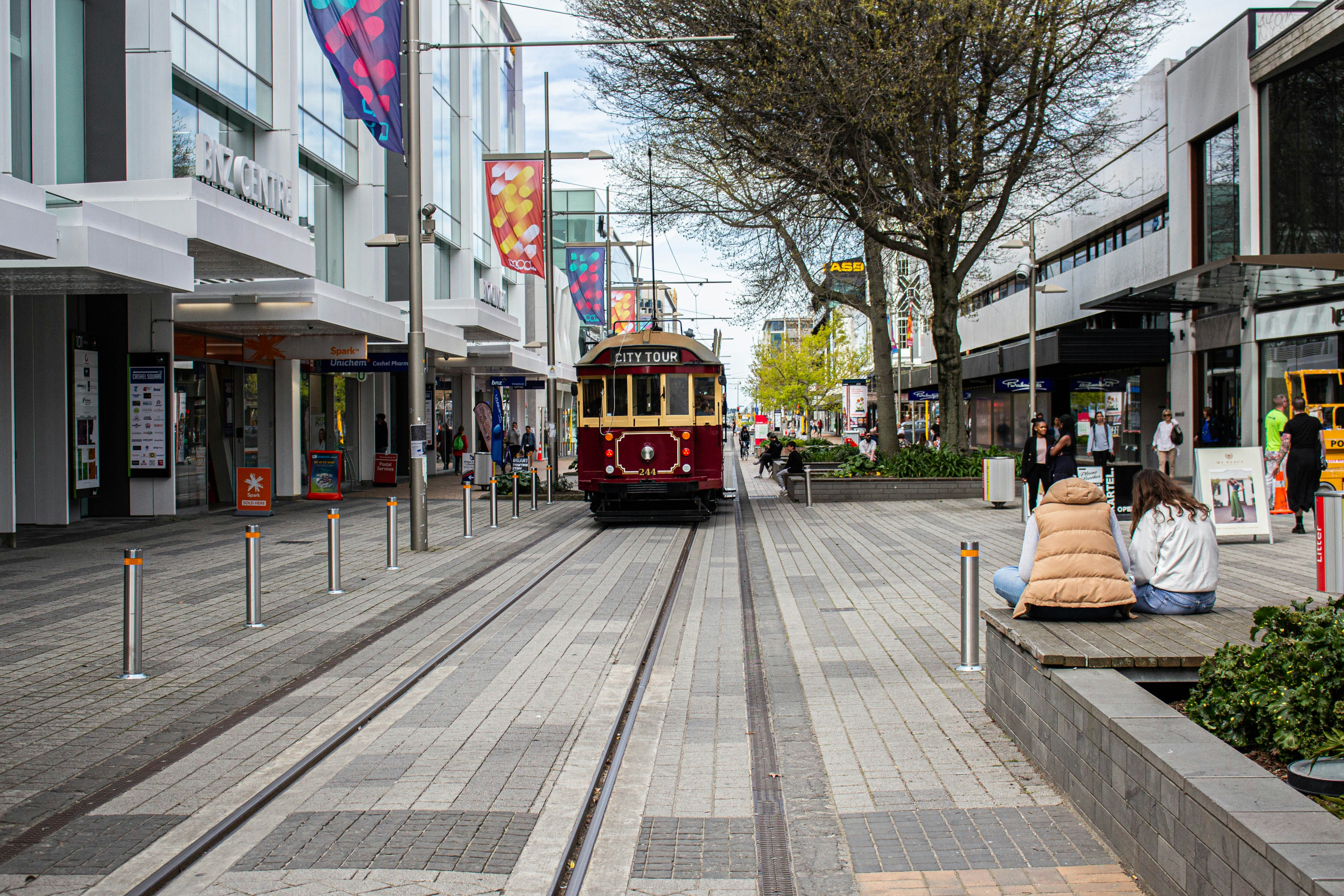
Christchurch is in the middle of one of the most significant infrastructure investment cycles of any New Zealand city. The combination of post-earthquake rebuild projects reaching completion and new forward-looking investments gives Canterbury a pipeline of amenity improvements that will continue to support property demand and values over the coming years.
Projects That Are Now Operational
Te Kaha (One New Zealand Stadium) opened on 27 March 2026 at a cost of $683 million, with a capacity of 30,000 for on-field events and 37,500 for concerts. It is the largest project ever undertaken by Christchurch City Council. Parakiore Recreation and Sport Centre opened in December 2025 at a cost of approximately $696 million - New Zealand's largest aquatic and indoor sports facility. Te Pae Christchurch Convention Centre has been operational since 2021, generating approximately $60 million annually for the local economy. The Otakaro Avon River Corridor, representing $340 million of investment, has transformed red-zoned land along the Avon River into a significant linear park and has become one of Christchurch's most distinctive public spaces.
Projects Still in Progress
Christ Church Cathedral repairs are underway following a major fundraising campaign. The Canterbury Museum expansion and redevelopment is progressing. A new multi-million dollar mixed-use precinct in the CBD, with resource consent lodged in May 2025 and construction expected from April 2026, will add further residential, retail, and commercial activity, with completion targeted for late 2027. The Kowhai Park solar farm at Christchurch Airport - a 230-hectare project featuring 300,000 solar panels - is under construction with the first phase expected to go live in 2026, potentially attracting energy-intensive industries and creating commercial property demand near the airport.
The Plan Change 14 Effect
Plan Change 14 to the Christchurch City Plan has enabled increased density and height limits across significant parts of the city. Buildings up to 14 metres in many areas without resource consent will progressively add residential population to the CBD and inner-city fringe suburbs over 2026-2028, supporting retail and hospitality viability and improving the investment case for residential property in those areas.
What This Means for Property
Infrastructure investment creates property demand in two ways. It directly improves the liveability and attractiveness of surrounding areas, drawing people who then need housing. And it creates employment - construction workers, hospitality and events staff, operational staff - who also need housing. The suburbs most directly positioned to benefit from these investments are Christchurch Central, Addington, Sydenham, and Phillipstown for the stadium and recreation precinct; Yaldhurst and Avonhead for the airport solar project; and the broader central city for the convention, cathedral, and museum developments.
Data from Christchurch City Council, Opes Partners (major infrastructure coming to Christchurch), Wikipedia (Te Kaha), and Chris Lynch Media. For general information only - not financial or investment advice.