
Christchurch CBD Rebuild - What It Means for Property in 2026
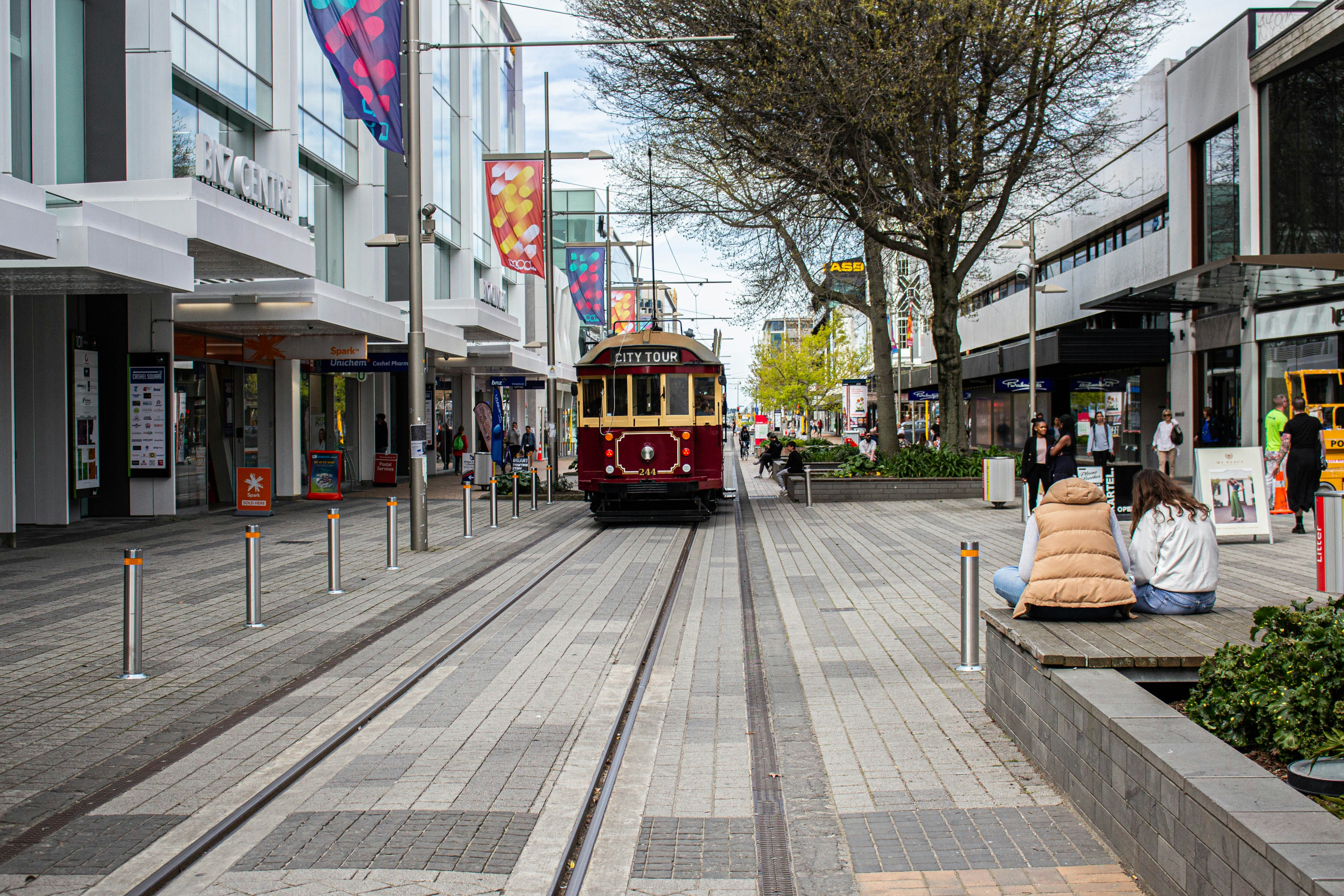
In February 2011, the Christchurch CBD was devastated. By March 2012, over 747 buildings in the central city had been demolished or were being demolished. For years, the CBD was a combination of construction sites, bare lots, and temporary container facilities. Fifteen years later, the picture is dramatically different.
What the Rebuild Has Produced
The 2012 Christchurch Central Recovery Plan defined 17 anchor projects that would form the spine of the rebuilt CBD. Most are now complete or nearing completion. Key completed anchor projects include: Turanga (the central city library), which opened in 2018 and has become one of the city's most visited buildings; Te Pae Christchurch Convention Centre, opened in 2021 and now generating approximately $60 million annually for the local economy; Te Kaha stadium, opened 27 March 2026 with a capacity of 30,000 for on-field events; Parakiore Recreation and Sport Centre, opened December 2025 as New Zealand's largest aquatic and indoor sports facility; Riverside Market, a permanent food and retail market adjacent to the Avon River; and the Otakaro Avon River Corridor, which transformed red-zoned land along the Avon River into a significant linear park with $340 million invested.
What Is Still to Come
Christ Church Cathedral repairs are underway. The Canterbury Museum expansion is progressing. A new multi-million dollar precinct - with resource consent lodged in May 2025 and construction expected from April 2026 - will add further residential, retail, and commercial activity to the CBD. Christchurch's Plan Change 14 has enabled greater housing density and height in and around the city centre, with buildings up to 14 metres in many areas without resource consent, which will progressively add residential population to the CBD over 2026-2028.
What It Means for Property
The CBD's revival has material implications for surrounding property values. Addington, Sydenham, and Phillipstown have all benefited from their proximity to a CBD that has become genuinely liveable. These suburbs are now ten to fifteen minutes walk from multiple major amenities - Te Kaha, Te Pae, Parakiore, Hagley Park, and the Avon River Corridor.
Christchurch Central itself has seen steady residential development. Average house values in Christchurch Central sat at approximately $657,550 in 2026, with an average of just six days to sell - reflecting active demand for city centre living from professionals and students. The University of Canterbury's 25,000 students generate consistent demand for inner-city rental accommodation.
Data from Christchurch City Council, Opes Partners (major infrastructure coming to Christchurch), Wikipedia (Christchurch Central Recovery Plan), and Chris Lynch Media. For general information only.