
How the Canterbury Earthquakes Changed Christchurch Property Forever
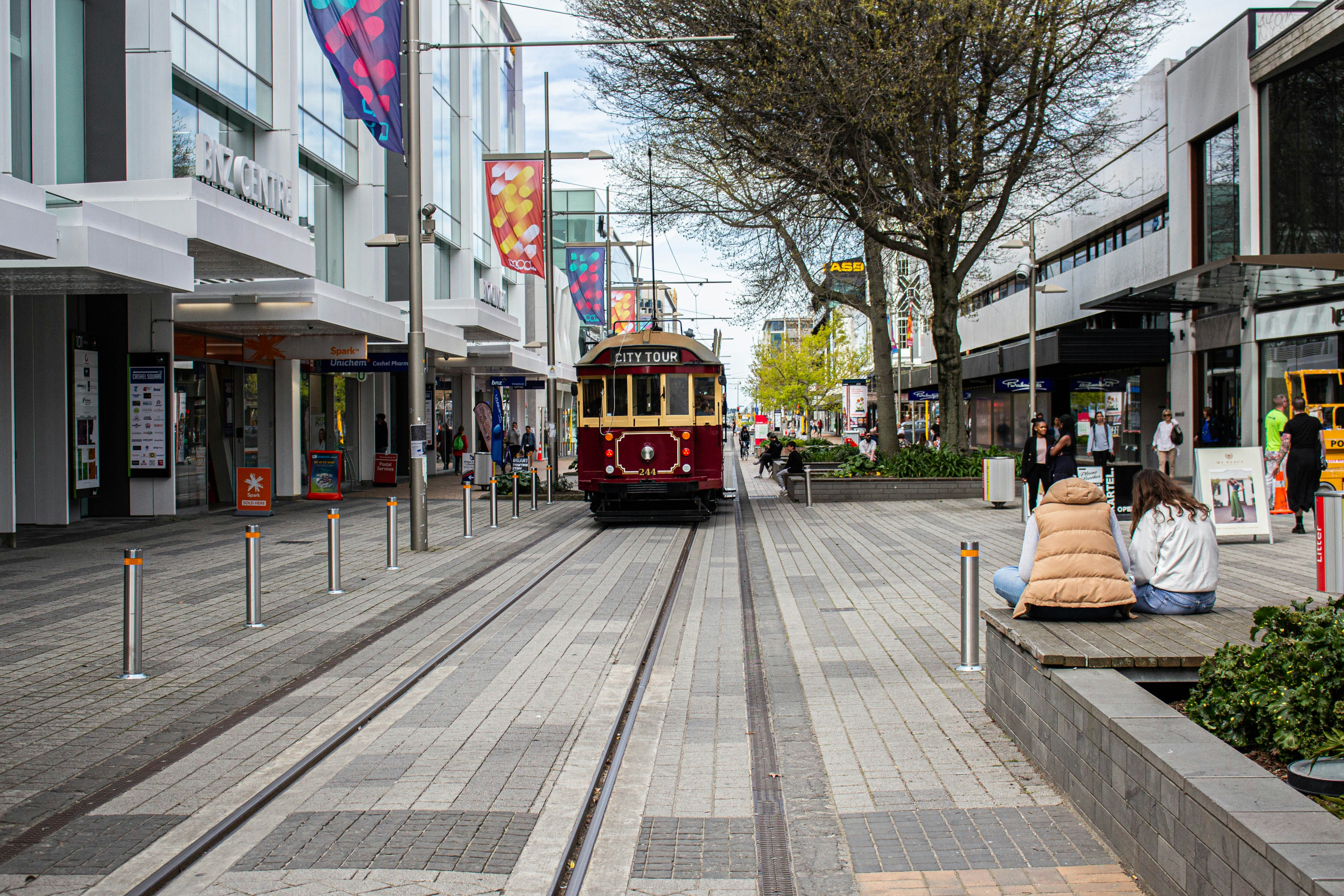
The Canterbury earthquake sequence remains one of the most significant events in New Zealand's modern history, and its effects on the Christchurch property market are still visible and relevant fifteen years later.
The Scale of What Happened
On 4 September 2010, a magnitude 7.1 earthquake struck 40km west of Christchurch. The devastating 6.3 magnitude earthquake on 22 February 2011, centred just 5km deep beneath the city, killed 185 people and injured more than 7,000 - New Zealand's fifth-deadliest disaster. Approximately 100,000 homes were damaged. An estimated 10,000 required demolition. Over 8,062 properties were placed in the residential red zone and demolished. Total economic losses exceeded NZ$40 billion and combined insured costs exceeded $31 billion.
The Land Category System
One of the most enduring legacies is the Technical Category (TC) land classification system. TC1 land carries minimal liquefaction risk and requires no special foundations. TC2 carries moderate risk and requires specific engineered foundation designs. TC3 carries high risk and requires detailed geotechnical assessment and significantly more complex foundations before any construction. Research has consistently found that TC3 categorisation created persistent price discounts in affected areas - particularly in the eastern suburbs and riverside areas - remaining statistically significant even a decade after the earthquakes.
The Red Zone and Population Redistribution
The voluntary government buyout of red-zoned properties saw over 8,000 homes demolished in the eastern suburbs and Port Hills. Many residents chose Selwyn District - Rolleston, Lincoln, and Prebbleton - which offered stable geological ground and new housing. This single factor contributed significantly to Selwyn's explosive growth through the 2010s and 2020s.
The Insurance Market Transformation
Before the earthquakes, Canterbury was classified as a low seismic risk zone. After 2011, the insurance landscape changed fundamentally. Premium costs rose sharply, EQC levies increased, and some properties became difficult to insure at commercially viable rates. Cross lease titles proved particularly problematic, as earthquake insurance repairs require 100% owner agreement - often impossible where owners were underinsured or could not be located.
What the Rebuild Produced
The rebuild produced a genuinely modern city centre. Approximately 80% of new floor space in the CBD used steel structural systems. Te Pae Convention Centre, Turanga Library, Riverside Market, and Te Kaha stadium have transformed what was once a demolition zone into one of New Zealand's most liveable urban cores.
What Buyers Need to Check Today
A LIM report will show land category information, natural hazard notations, and any earthquake-related consent or claims history. A building report will identify incomplete or cosmetic earthquake repairs - variable quality post-quake repair work remains one of the most significant due diligence risks in the Christchurch market. Your solicitor should review the title for consent notices, outstanding repair obligations, or cross lease complications. For TC3-categorised land, understand the foundation implications for any future development.
Data from the Insurance Council of New Zealand (ICNZ), Te Ara Encyclopedia of New Zealand, and Stats NZ. For general information only. Always seek qualified legal and building inspection advice before purchasing in Christchurch.