
Waimakariri District as a Property Investment - Rangiora, Kaiapoi, and Beyond
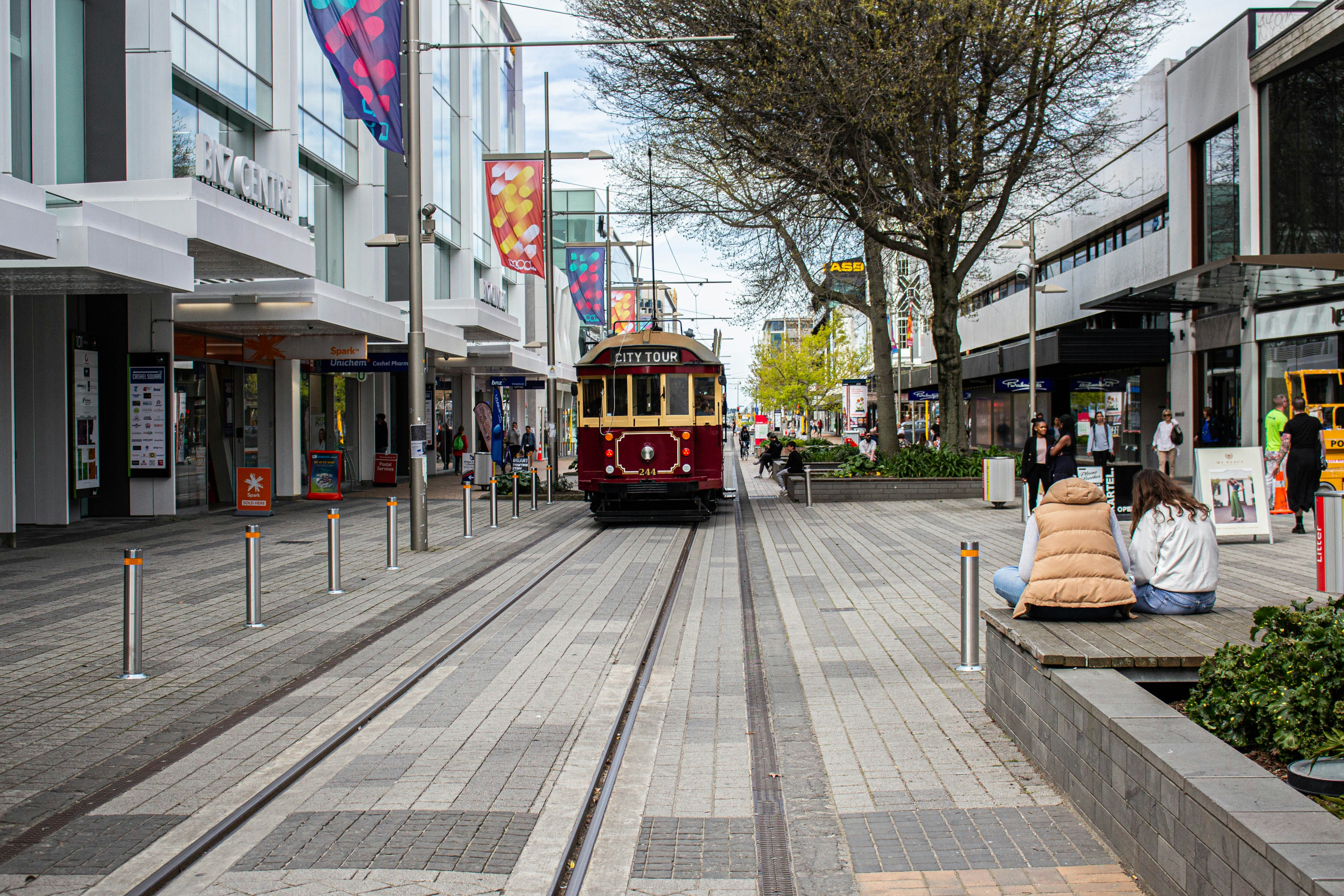
Waimakariri District, encompassing Rangiora, Kaiapoi, Woodend, Pegasus, and surrounding towns north of Christchurch, offers a distinct investment proposition compared to Christchurch City and Selwyn. Its sustained population growth, improving amenity, and functional commuter relationship with Christchurch make it a legitimate consideration for Canterbury investors.
The Numbers
Waimakariri District recorded a median sale price of $770,000 in January 2026, up 1.44% year-on-year, and Canterbury set a new territorial authority price record in Waimakariri in January 2026. Over the five years to the 2023 Census, Waimakariri's population grew by 11.3% to 66,246. In the year to June 2025, Waimakariri accounted for 10% of Canterbury's total population growth. Rental yields in Waimakariri generally run in the 4.0-4.8% gross range, below Christchurch's highest-yield eastern suburbs but competitive with the western Christchurch suburbs that offer better capital growth prospects.
Town by Town
Rangiora is the most established centre with the deepest amenity base - a genuine self-contained community with independent retail, cafes, schools, and services rather than purely a commuter suburb. It has the most mature property market within the district and is likely to be the most resilient location for investment. Kaiapoi rebuilt strongly post-earthquake and now offers modern housing stock with proximity to both Christchurch and the wider district. Woodend and Pegasus offer more affordable entry points with active new subdivision development, though as with all new build concentration areas, supply can moderate short-term price growth when multiple developments compete simultaneously.
The Tenant Profile
The Waimakariri tenant base is predominantly families and working households rather than the student and professional mix of inner-city Christchurch suburbs. This typically produces lower tenant turnover and more stable long-term tenancies - a positive for landlord experience and net yield consistency. The trade-off is a less diverse demand pool if local economic conditions weaken, given that the employment base is more concentrated in specific sectors than Christchurch's more diversified economy.
The Investment Case
Waimakariri suits buy-and-hold investors with a 7-10 year horizon who believe in the ongoing Canterbury population growth story and want exposure to the north Canterbury commuter belt at lower entry prices than equivalent Christchurch suburbs. It is not the right choice for investors primarily focused on maximum yield or those who want the tenant diversity and market liquidity of a larger city centre market. A dedicated Rangiora agent who understands which streets and school zones command premiums within the district is a valuable resource for anyone considering Waimakariri investment.
Data from Harcourts Grenadier February 2026 Market Update, Stats NZ 2023 Census and 2025 subnational population estimates, and REINZ. For general information only - not financial or investment advice.