
How to Choose the Right Suburb in Christchurch
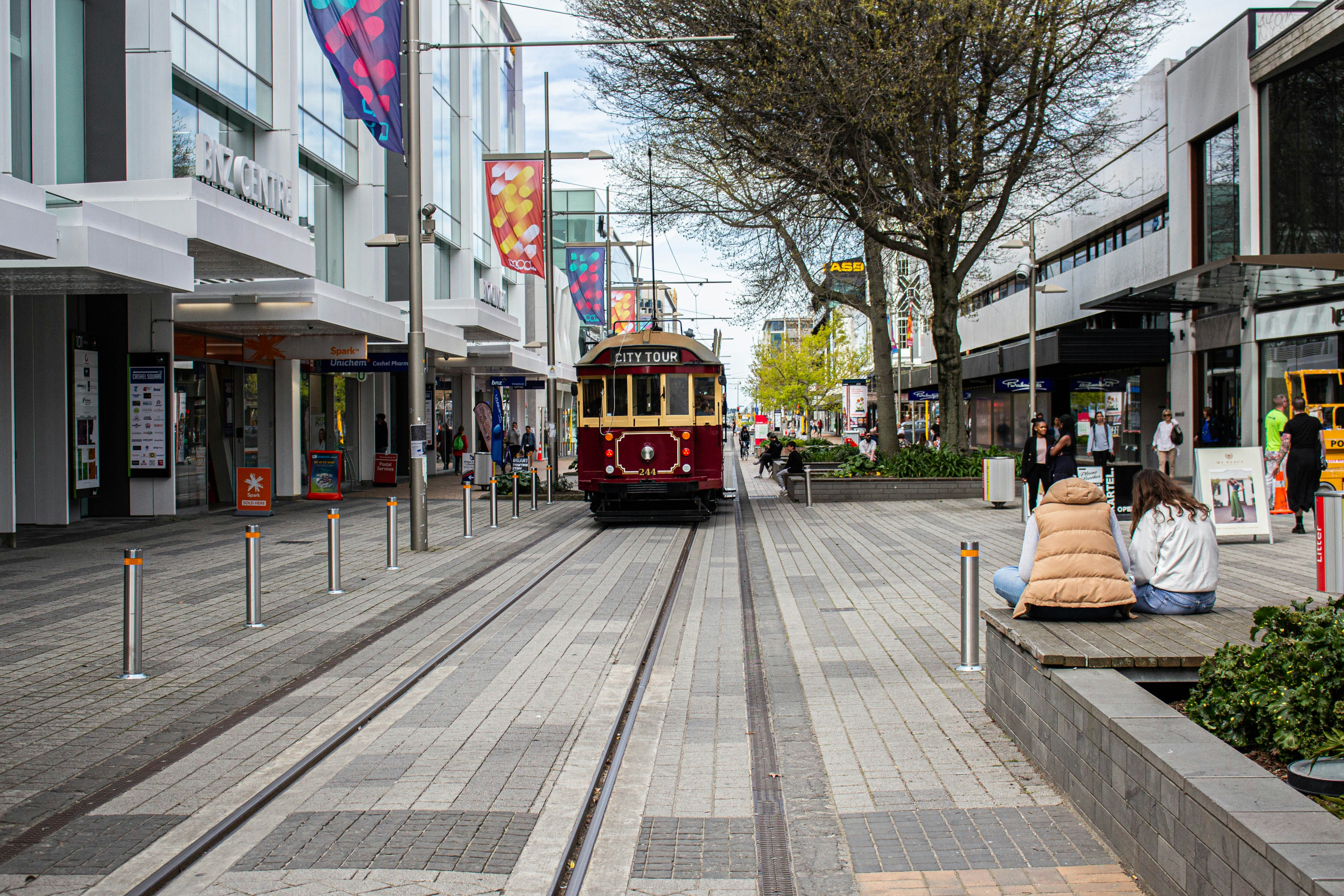
Christchurch has 86 suburbs spanning a price range from $454,000 average (Phillipstown) to $1,760,700 (Fendalton). Choosing the right suburb is the most consequential decision you will make as a Canterbury buyer. Here is a practical framework.
Start With Your Non-Negotiables
Identify your genuine non-negotiables before you start suburb research. School zone is the most common hard constraint - if you need to be in zone for a specific school, your suburb choices are immediately defined. Commute time to work is another hard constraint. Proximity to elderly family members or specific services might be another. Identify these first because they define your search geography before price enters the equation.
Understand the East-West Divide
Christchurch has a significant and well-documented east-west property price divide. Western suburbs average approximately $725,000 while eastern suburbs average approximately $540,000 - a difference of roughly 34%. This divide reflects multiple factors: the earthquake legacy (eastern suburbs were more severely affected by liquefaction), school zone quality differences, infrastructure investment timing, and proximity to premium amenity. Buying in the east gives you more property per dollar but with slower historical capital growth. Buying in the west costs more but has delivered stronger long-term growth. Understanding which end of that trade-off suits your circumstances is fundamental.
Match Suburb Characteristics to Your Priorities
If long-term capital growth is your primary objective, western established suburbs with genuine land scarcity - Strowan (6.5% annual growth since 2000), Richmond Hill (6.4%), Cashmere, Merivale - have the strongest track record. If yield is the priority, Aranui, Phillipstown, Hornby, and Woolston deliver 5.0-5.6% gross yields. If lifestyle is primary, Sumner and Lyttelton offer coastal village character that no other Christchurch suburb replicates. If school zone is the priority, Burnside, Cashmere, and the Christchurch Girls'/Boys' High zones define specific geographic buying areas.
Visit at Different Times
Do not assess a suburb based solely on a Saturday morning open home visit. Drive through at evening peak hour on a weekday to assess traffic. Visit on a cold, wet Tuesday evening to understand what daily life actually looks like. Walk to the shops. Check what the neighbourhood smells like near industrial areas. Visit schools during drop-off time. The impression of a suburb at its best on a sunny Saturday morning is not necessarily the impression you will have after living there for a year.
Suburb data from Opes Partners (Christchurch property markets), Bamboo Routes, and Cotality. For general information only.